
New novel · Rome, 1955
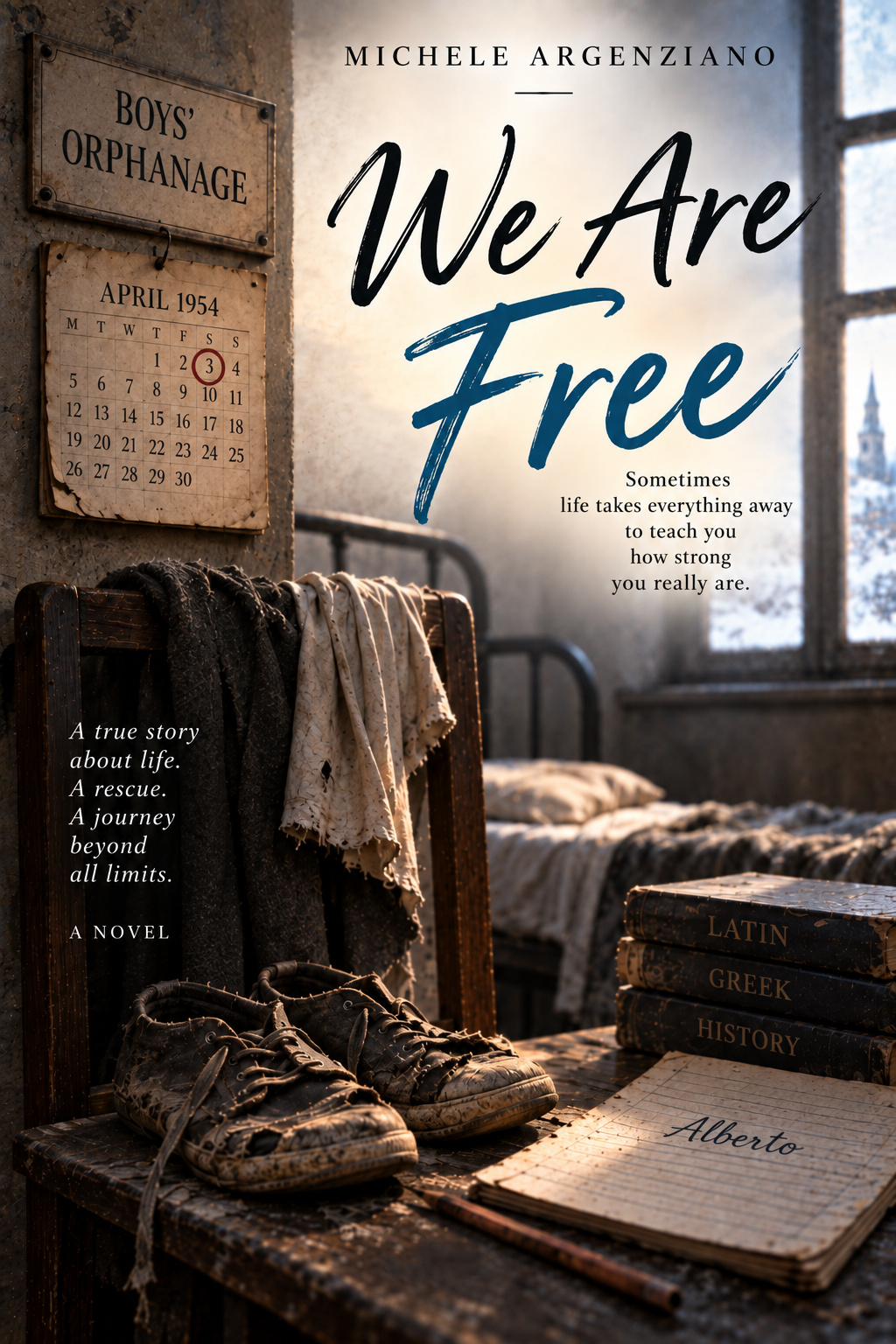
We are
free.
Some stories do not ask to be told: they endure the silence until someone finds the courage to listen.
The story
Being free does not simply mean walking out of a prison.
Rome, 1955.
Italy is struggling to rise from the ruins of war. Yet in the poorest streets of the capital, the post-war years still mean hunger, destitution and days when even a pair of shoes can be a luxury.
Alberto has almost nothing. And yet he is happy.
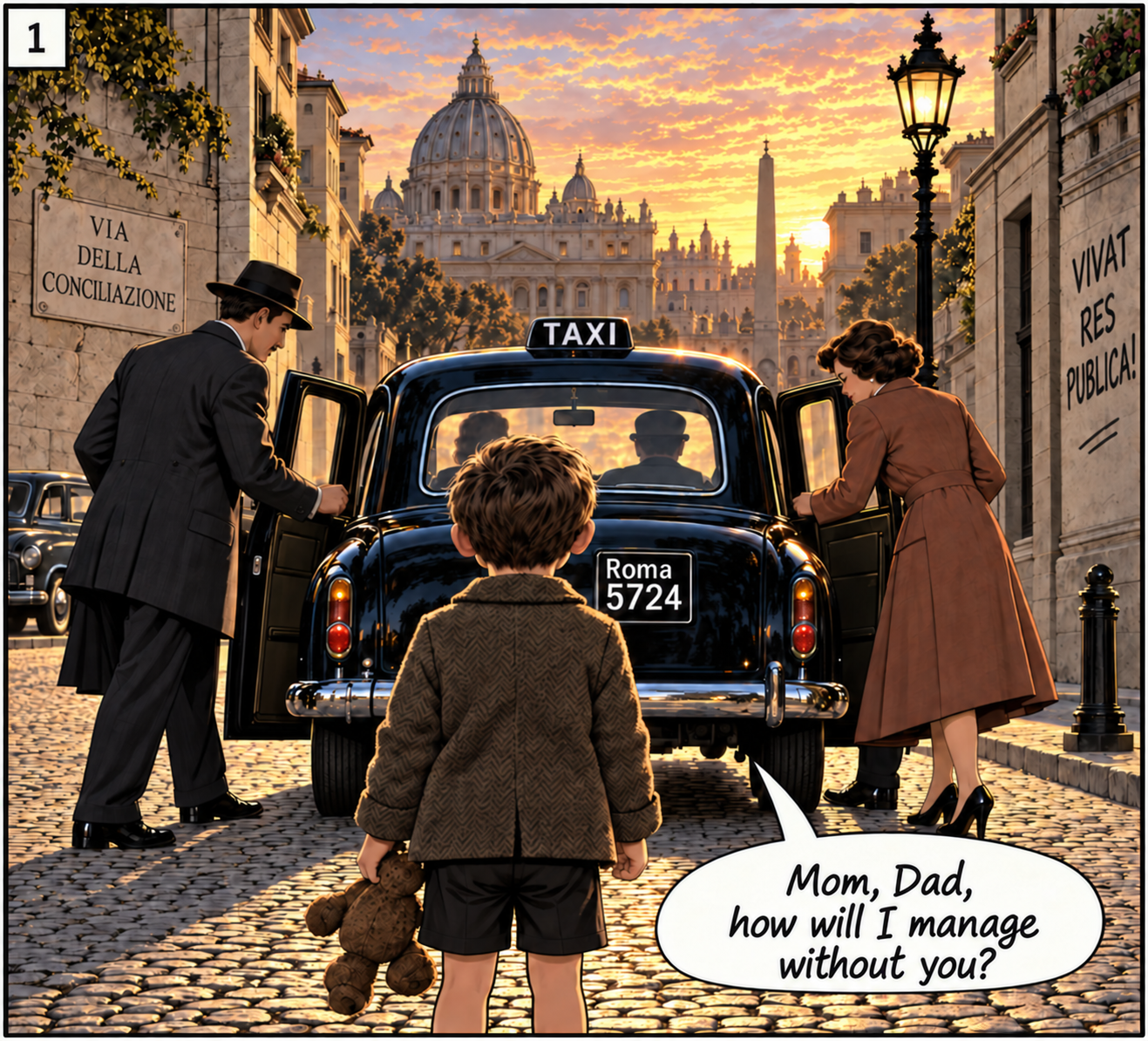
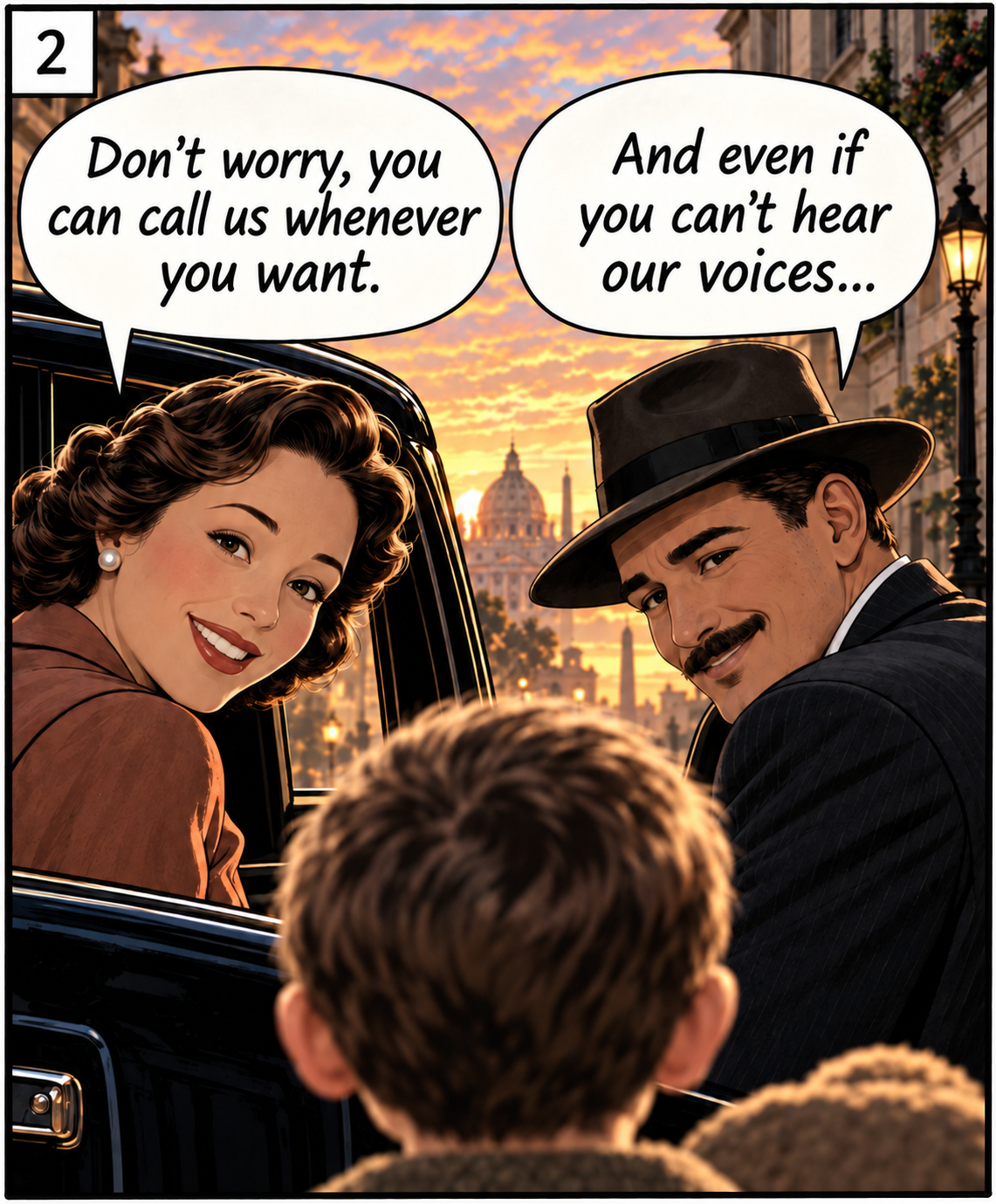
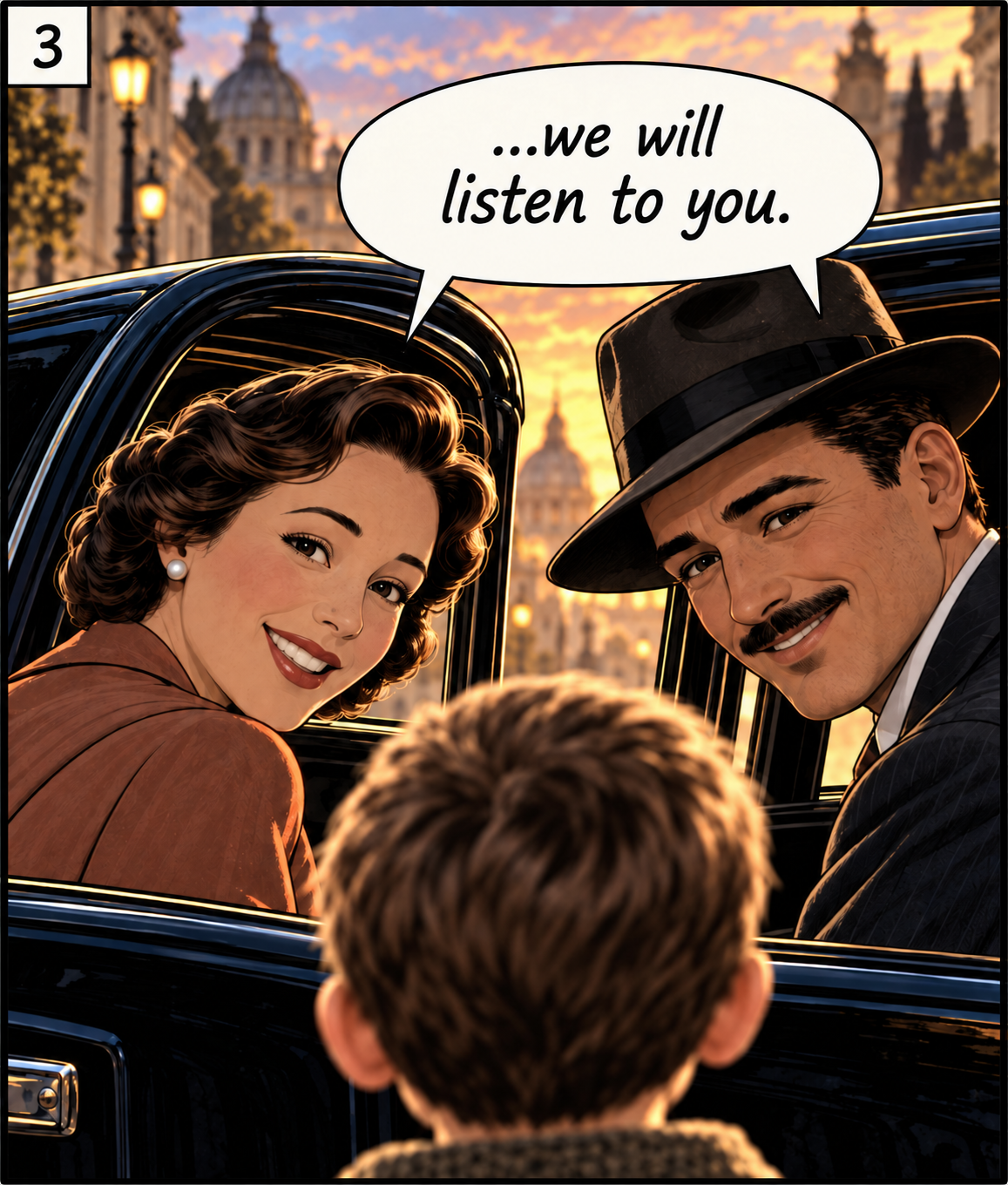
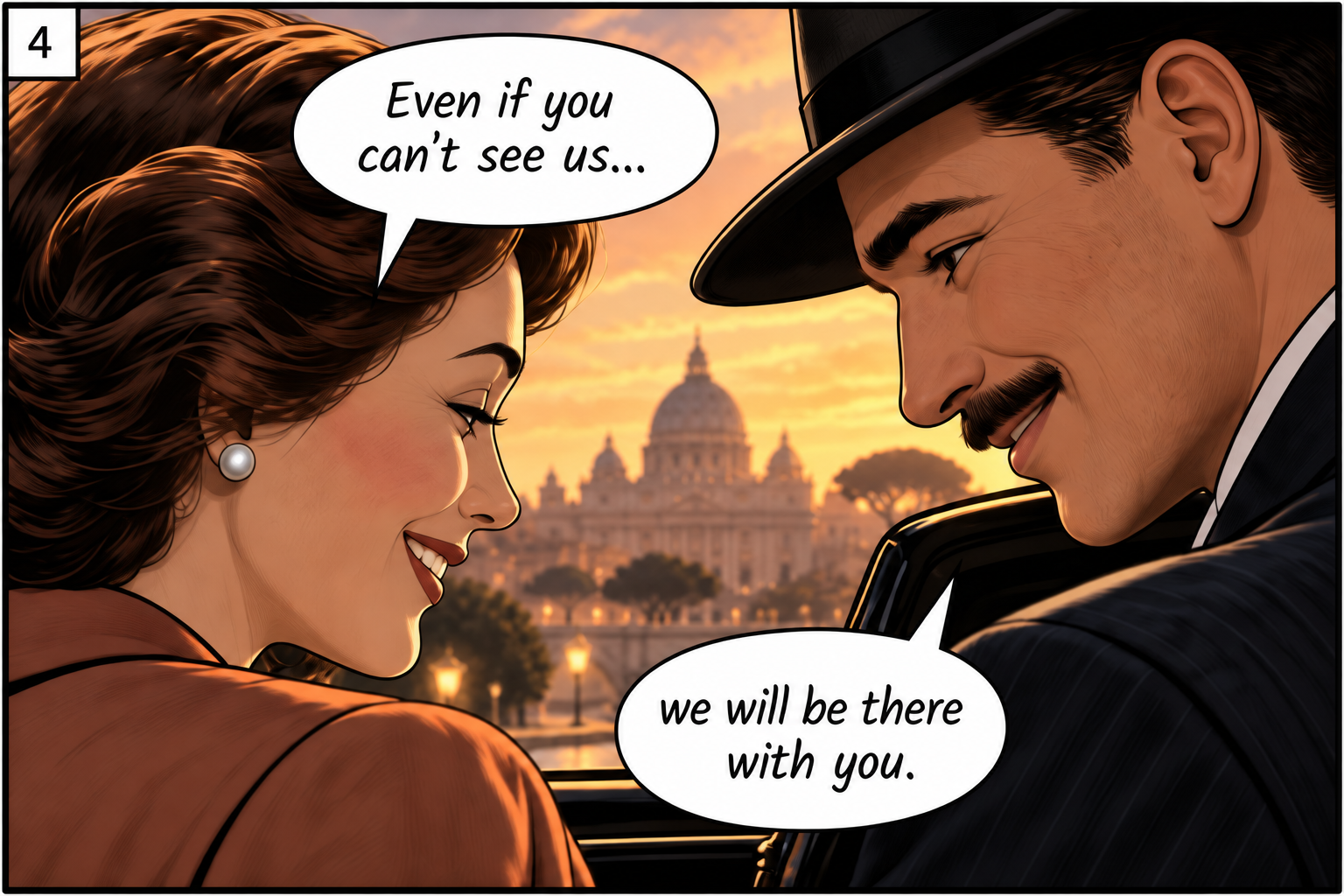
Because he has a mother, a father and a home to return to. An extremely poor family, certainly, but rich enough to make him believe that, as long as they are together, nothing can truly hurt him.
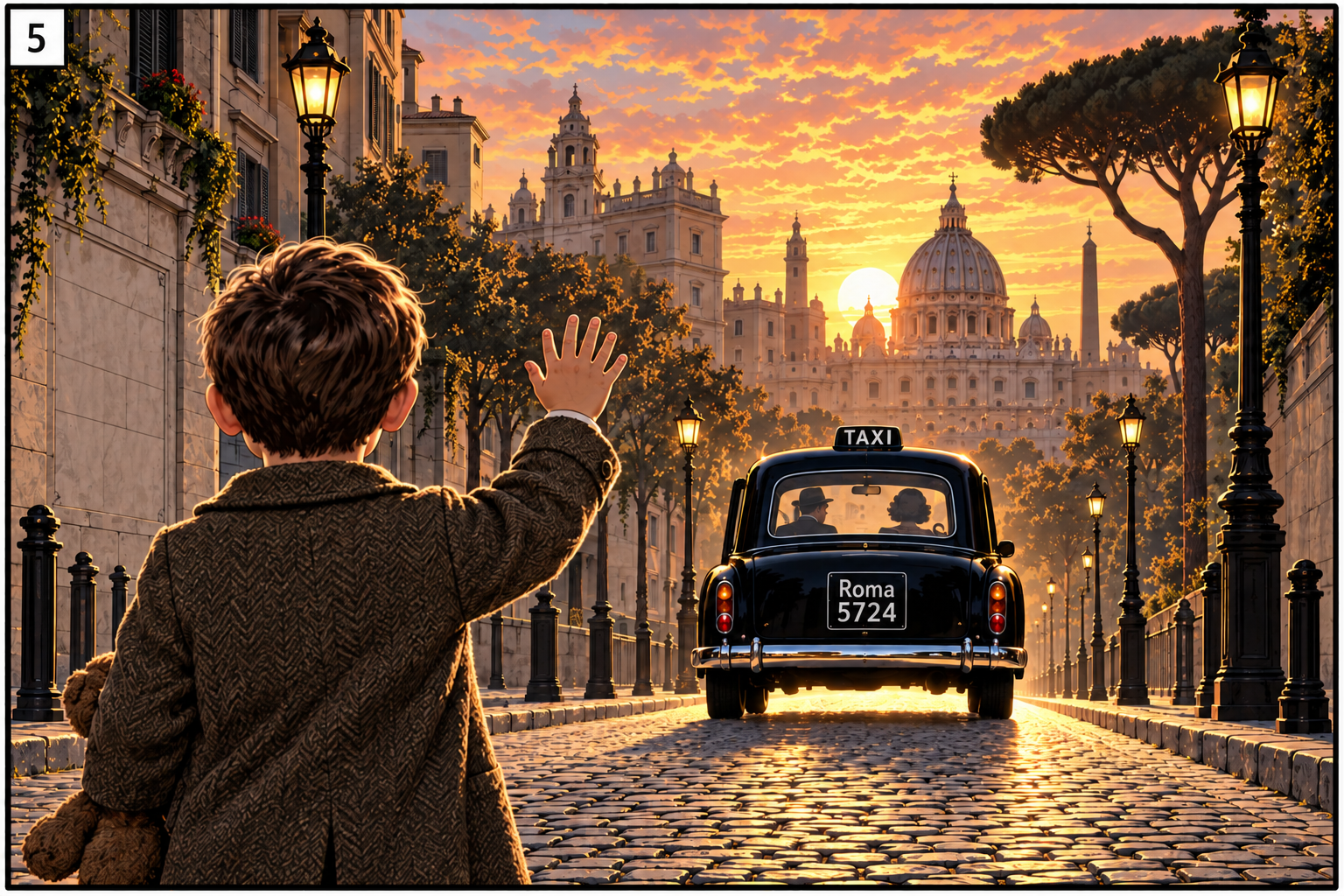
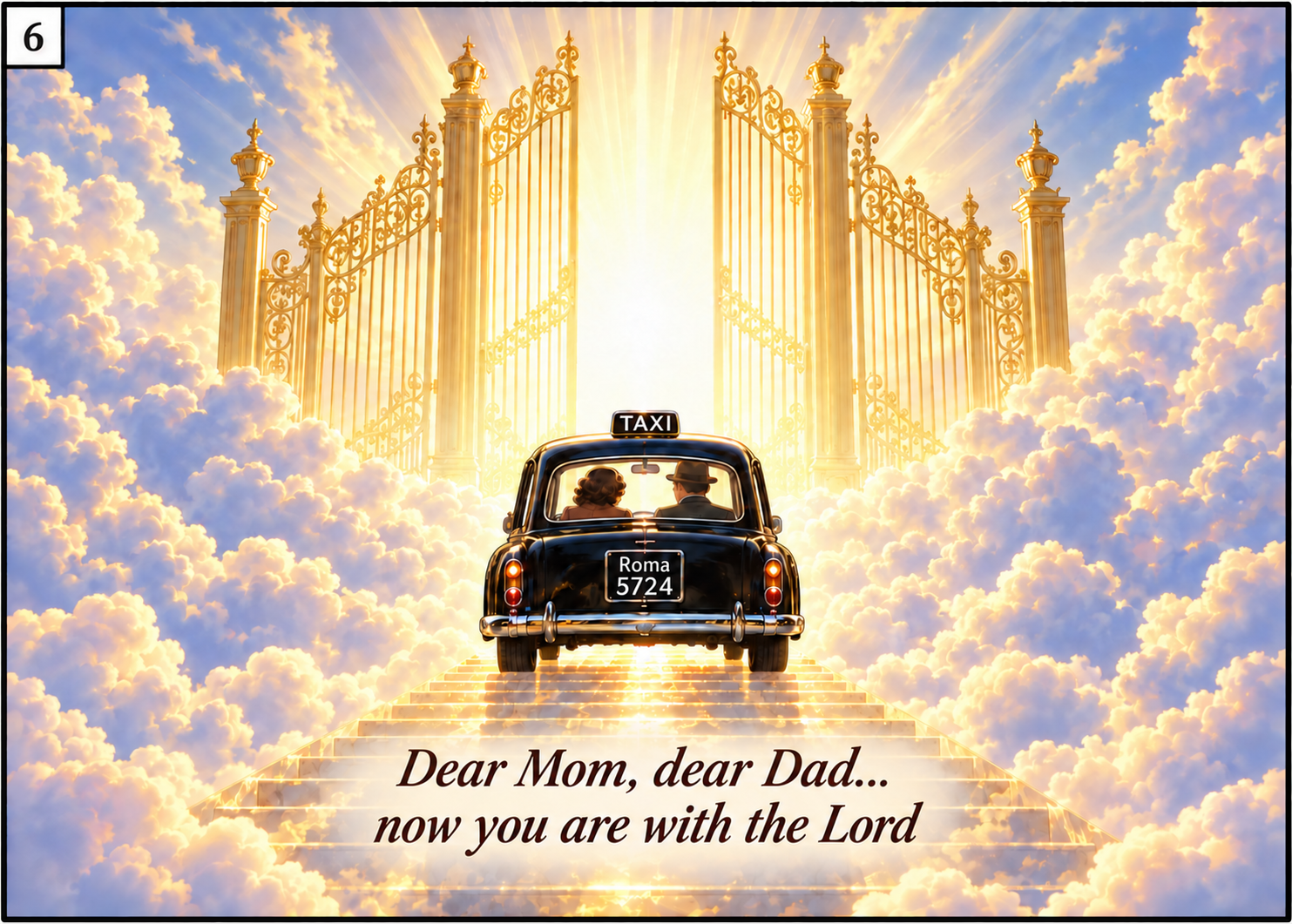
Then, suddenly, everything disappears.
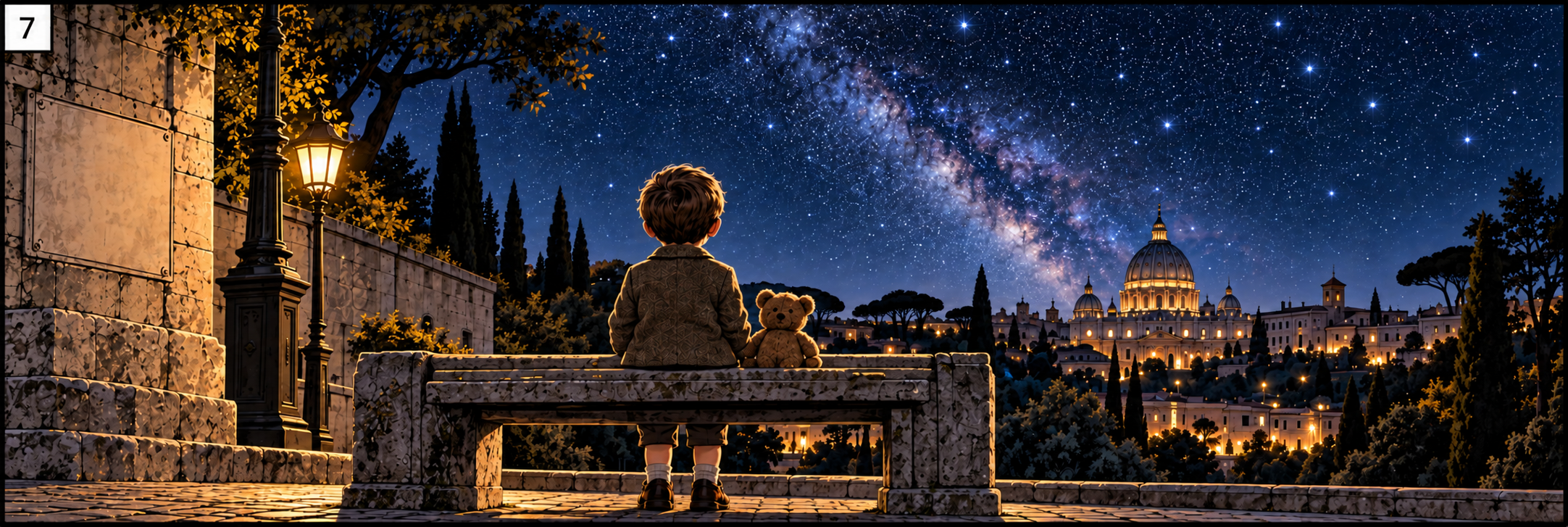
Left alone, Alberto is sent to an orphanage. He is still a child when he discovers a world of deprivation, humiliation and silence. He owns a single pair of shoes, a few clothes and has no one to tell what happens when the doors close.
The years pass, but some wounds do not grow with us: they remain fixed at the exact point where they were inflicted.
When he finally leaves the institution, Alberto is free only on paper. He carries a rage he cannot name and a past from which he desperately tries to escape. The streets, drugs and self-destruction seem to become the only possible place for a boy whom life taught far too early to expect nothing.
Until someone enters his life.
And, for the first time in many years, Alberto glimpses the possibility of becoming a different man from the one his past seemed already to have chosen for him.
But being free does not simply mean walking out of a prison.
Sometimes we carry the prison within us.
We Are Free is the story of a child forced to become a man too soon, of a life spent falling and rising again, of the love that can save us and the wounds that may continue to claim us even when we thought we had defeated them.
It is a novel about poverty, abandonment, addiction and the desperate need to be loved.
But above all, it asks a question:
how much of our destiny can we truly change?
The story continues
New scene
“Misfortune leaves no way out,” the captain said with profound bitterness. “I was born a son of a bitch and I will die a son of a bitch.”
— Gabriel García Márquez, One Hundred Years of Solitude
“...because the families condemned to one hundred years of solitude did not have a second opportunity on earth.”
— Gabriel García Márquez, One Hundred Years of Solitude